
AI Education Labs: Advancing Rural Futures with AI
AI Education Labs are innovative learning spaces designed to provide rural communities with advanced skills in artificial intelligence (AI), the Internet of Things (IoT), and digital technologies. These labs aim to bridge the digital divide, offering resources and hands-on training to empower youth and transform local communities.
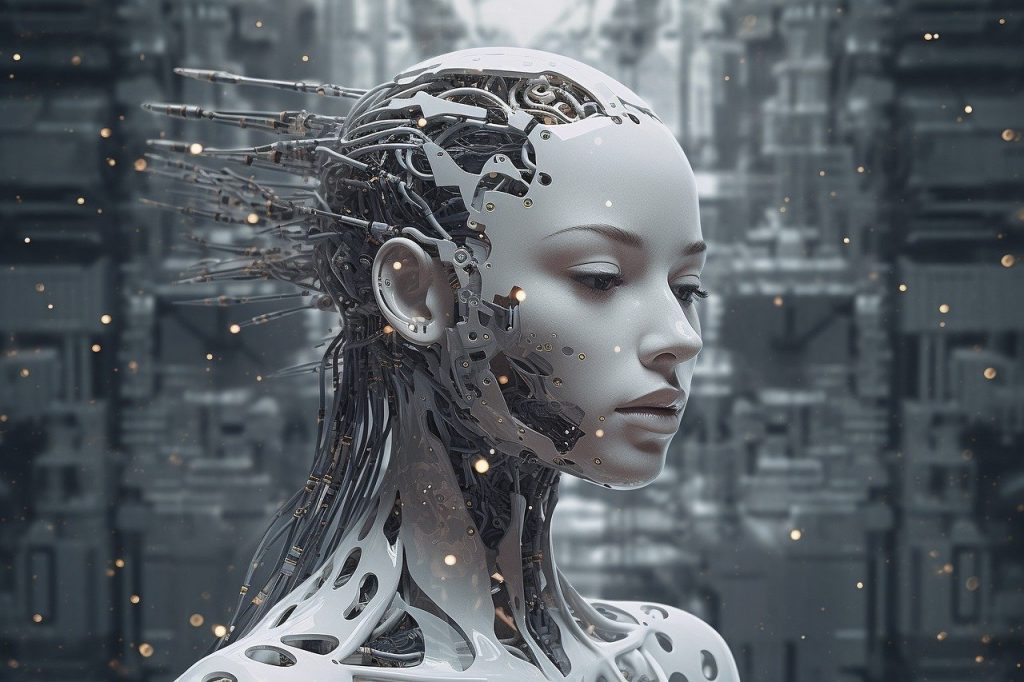
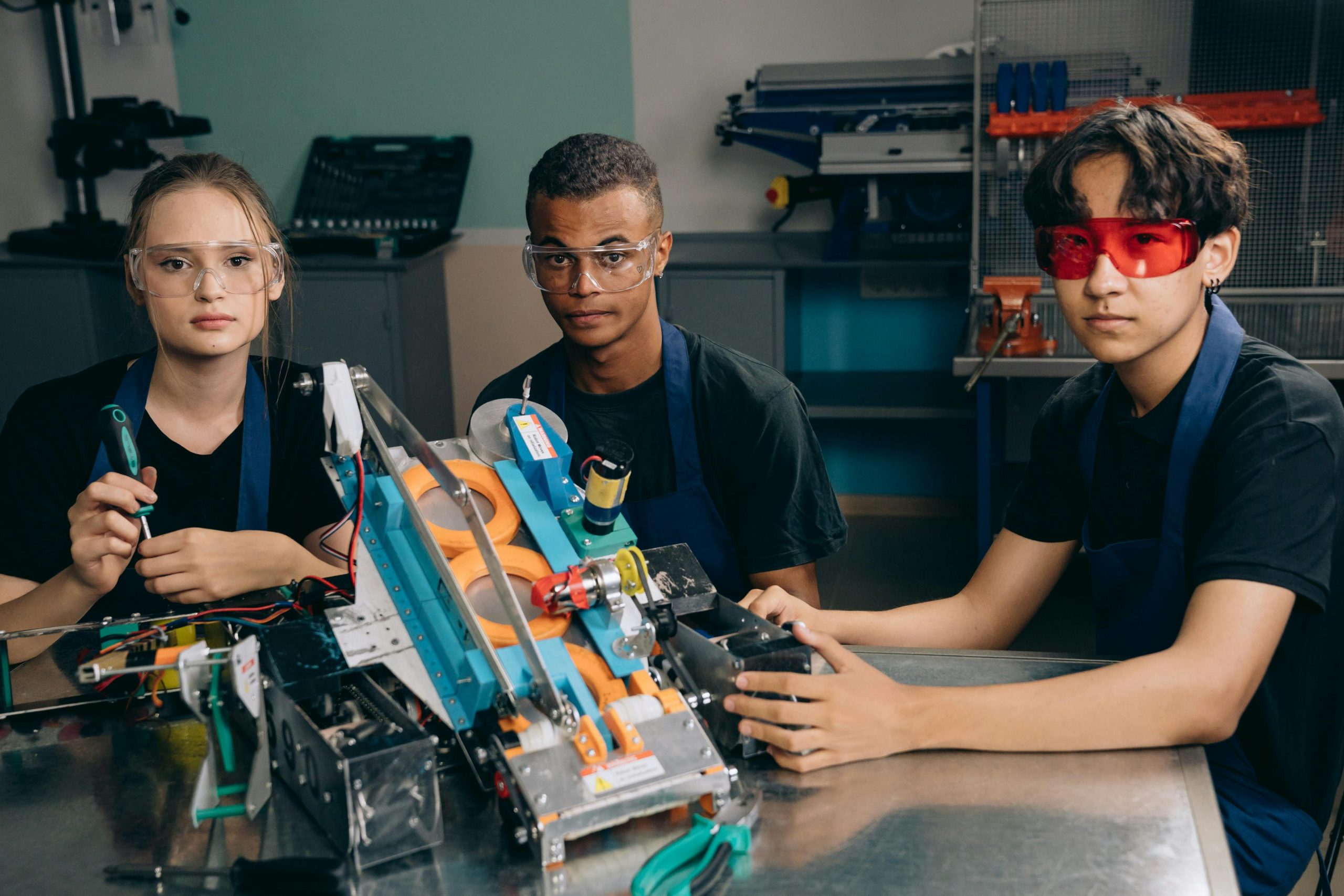
AI education labs goals
Bridging the Digital Divide: The labs provide essential access to cutting-edge technology in rural areas, helping to overcome barriers to digital inclusion and ensuring that the benefits of AI and IoT are available where they are needed most.
Skill Development: The programs aim to equip students with advanced skills in AI, IoT, and other emerging fields, preparing them for diverse career paths and empowering them to participate in the global digital economy.
Entrepreneurship and Innovation: By fostering creativity and problem-solving skills, the labs encourage students to develop innovative solutions to local challenges, enabling them to launch their own businesses and contribute to economic growth.
Community Growth: Education in digital skills promotes economic and social development in communities, providing individuals with the tools to succeed while also raising the overall quality of life for their families and communities.
Programs Offered
Requirements for a Basic AI Lab
Hardware
Computers or laptops with sufficient processing power.
IoT devices like sensors, cameras, and microcontrollers (e.g., Raspberry Pi, Arduino).
Software
AI platforms like Google Colab, TensorFlow, or beginner-friendly tools like Scratch.
Data visualization tools like Tableau or Excel.
Educational AI apps tailored for students.
Learning Materials
Handbooks, online courses, and guides on AI basics, machine learning, and data science.
Pre-designed project templates for classroom use.
Infrastructure
Dedicated, ventilated rooms with seating, whiteboards, and projectors.
Reliable power supply and backup systems.
AI Curriculum Integration
Science
Use AI to analyze data from experiments (e.g., weather patterns, chemical reactions).
Simulate complex systems like the human body or ecosystems using AI tools.
Mathematics
Teach AI concepts like pattern recognition and predictive modeling using mathematical principles.
Use AI for statistical analysis and data visualization.
Social Studies
Explore AI applications in governance, urban planning, and disaster management.
Analyze historical data and predict societal trends with AI tools.
Arts
Use AI-generated art platforms for design and animation projects.
Encourage storytelling and music composition using AI tools.